Best Nootropics for Aging Brain (EU) 2026
Age-related cognitive change is normal — memory recall slows, processing speed reduces. The supplements on this page have evidence specifically in older adults with subjective cognitive complaints. They are NOT treatments for dementia, Alzheimer's, or any clinical cognitive disease — and EU brands cannot legally claim otherwise under Regulation (EC) No 1924/2006 (with claims assessed by the European Food Safety Authority, EFSA). For clinical concerns, see your GP for referral to a neurologist.
What the evidence actually says
For each ingredient below, we link directly to the peer-reviewed source. Ingredient mechanism is not the same as product efficacy — a product can include the right ingredient at the wrong dose.
Phosphatidylserine (PS)
Phospholipid component of brain cell membranes. Multiple RCTs in 50–80-year-olds at 100–300mg/day show improvements in memory, processing speed, and cognitive complaints. Important: unlike the US (where the FDA permits a qualified "may reduce risk of dementia" claim), EFSA has rejected several PS health claims, so EU labels describe PS only in mechanism terms. The underlying clinical evidence is the same — only the on-label language differs. The trial linked below (Vakhapova et al. 2010) is separate from these regulatory decisions: in an exploratory 15-week RCT of 157 non-demented older adults with memory complaints, PS-DHA improved immediate verbal recall versus placebo.
Source →Citicoline (CDP-Choline) — older-adult memory
RCTs in older adults with subjective cognitive complaints show improvements in verbal memory and processing speed at 250–500mg/day for 12+ weeks. Cognizin is the standardised form. Authorised in the EU under Novel Food Regulation (EU) 2015/2283.
Source →Lion's Mane (Hericium erinaceus)
Mori et al. 2009 — small RCT in older Japanese adults with mild cognitive impairment. 1g/day fruiting-body extract over 16 weeks improved cognitive function scores. Evidence is promising for early age-related changes; not evaluated for dementia treatment. Lion's Mane fruiting body has traditional EU food use; mycelium-grain blends face Novel Food scrutiny.
Source →Bacopa Monnieri
Multiple RCTs across age groups show memory consolidation benefits. Studies specifically in older adults (Stough et al., Calabrese et al.) show retention and recall improvements after 8–12 weeks at 300mg standardised to 50% bacosides.
Source →Our picks for aging
Ranked by how well each product matches the evidence above + our 5-pillar editorial audit.
Affiliate disclosureWe earn a commission if you buy through links on this page, at no extra cost to you. Our scores and rankings follow our published methodology; commissions do not influence them. Read our methodology
Mind Lab Pro
Why it's here: Includes phosphatidylserine (100mg Sharp-PS at clinical dose), citicoline (250mg Cognizin at clinical dose), Lion's Mane (500mg fruiting body, below the 1,000mg reference dose), and Bacopa. Four of the most age-relevant ingredients in one open-formula EU product. Caffeine-free — no cardiovascular load for older adults sensitive to stimulants. €65/mo on the brand's EU store; EU orders ship from a European depot per the brand.
Also considered — not ranked
Products audited for this guide that we do not rank: each either scores below the 7.0/10 a ranked pick needs in our 5-pillar editorial audit, or its label shows none of this guide's evidence ingredients at our reference dose. Listed for transparency, not ranked or recommended.
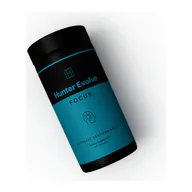
Hunter Focus
Roar Ambition · Scores 6.4/10 — below our 7.0 bar
Includes phosphatidylserine, Lion's Mane (500mg), and Bacopa, plus Ashwagandha (cortisol/stress) and ALCAR (mitochondrial energy). Contains 100mg caffeine — not ideal for stimulant-sensitive older adults. €85/mo and 6 capsules/day are friction; pick this only if you specifically want the broader stack.
Read full review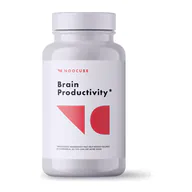
NooCube
Wolfson Brands · Scores 7.0/10, but its label shows none of this guide's evidence ingredients at our reference dose
Bacopa (250mg, just under the 300mg clinical anchor) plus Lutemax 2020, which has mixed evidence for screen eye strain: a 6-month trial in 48 heavy screen users, funded by Lutemax's maker, reported less self-rated eye strain, eye fatigue and headache (Stringham 2017), but a 2025 trial of a different lutein/zeaxanthin product found better tear-film measures without any change in self-rated eye strain (Lopresti 2025). Caffeine-free. No EUR storefront: the UK store (noocube.co.uk) prices in GBP (£54.99/mo) and ships to the UK, Ireland, Spain, Portugal, Greece, Croatia, Poland, Sweden and Denmark, but not to Germany, France or the Netherlands. The noocube.com Trustpilot profile has no reviews yet — review terms carefully before subscribing, especially for older relatives less familiar with online subscription cancellation.
Read full review
Frequently asked questions
Will these prevent dementia or Alzheimer's?
No. No supplement is approved to prevent or treat dementia or Alzheimer's anywhere in the EU. EFSA has not authorised disease-prevention claims for any of these ingredients. The ingredients on this page have evidence for age-related cognitive support in healthy older adults — distinct from disease prevention. If you or a family member is experiencing significant memory changes, see a GP for referral to a neurologist.
Why don't EU labels mention the FDA "qualified health claim" for phosphatidylserine?
The US FDA allows phosphatidylserine to carry a qualified claim that "very limited and preliminary scientific research suggests that PS may reduce the risk of dementia or cognitive dysfunction in the elderly." EFSA reviewed the same evidence and rejected the claim in the EU. The clinical evidence is the same in both jurisdictions; the regulatory threshold for what may be printed on a label differs. EU brands describe PS in mechanism terms (e.g., "supports cell membrane phospholipid composition") rather than outcomes.
When should I start taking these?
The evidence is strongest in 50+ adults with subjective cognitive complaints. There is no benefit shown to starting in your 30s or 40s purely as "prevention." Talk with your GP about cognitive concerns before starting any supplement, especially if you take prescription medications.
Are these safe alongside blood-pressure or cholesterol medications common in EU prescribing?
Generally yes for the ingredients on this page, but talk to your prescribing clinician. Bacopa and Lion's Mane have minimal known drug interactions. Phosphatidylserine derived from soy could interact with warfarin/anticoagulant regimens; sunflower-derived Sharp-PS GREEN is the alternative. None of the picks above contains Ginkgo; if you add it separately, it has documented anticoagulant interactions and should be discussed with a clinician.
I take a cholinesterase inhibitor (donepezil, rivastigmine, etc.). Should I avoid certain ingredients?
Yes — discuss with your neurologist. Huperzine A (in some imported nootropic products, though not in our EU-storefront picks above) is itself an acetylcholinesterase inhibitor and stacking is not advised. Citicoline is a different mechanism (choline donor) and is sometimes used alongside cholinesterase inhibitors under clinician supervision, but combine only with medical input.
How long until I notice anything?
Phosphatidylserine: 4–12 weeks. Citicoline: 4–12 weeks. Bacopa: 8–12 weeks. Lion's Mane: 8–16 weeks. None are acute-effect ingredients. Track changes over 12 weeks of consistent dosing — ideally with a baseline cognitive measure (online tests are crude but better than subjective recall).
Related guides
How we choose
Every pick must (a) include at least one ingredient with peer-reviewed evidence for the use case, (b) dose that ingredient at or near the clinical-trial dose, and (c) score ≥ 7.0/10 in our 5-pillar editorial audit. Read our full methodology.
← Back to Best Nootropics 2026